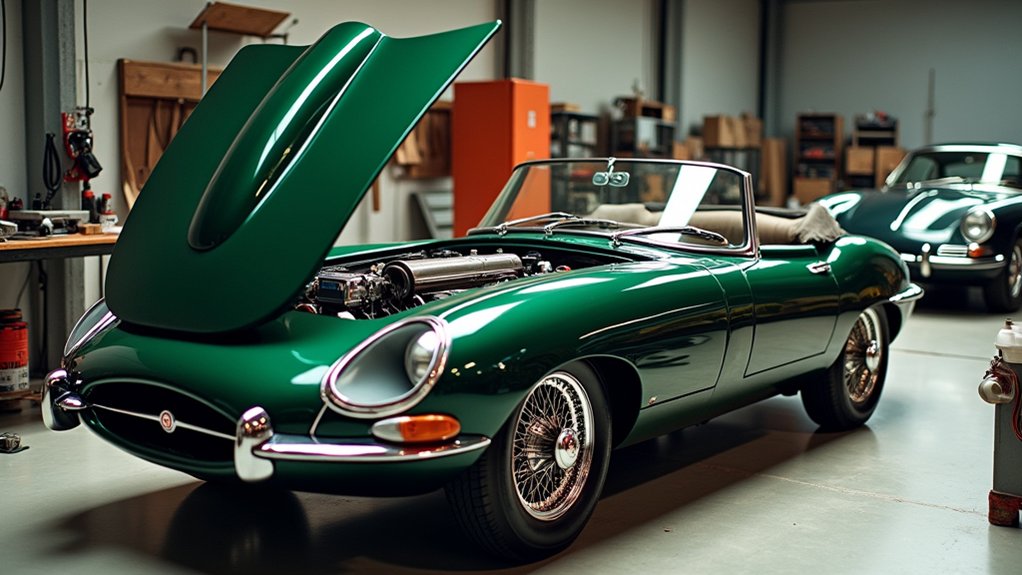
Rumbling engines and the scent of gasoline, once inseparable from classic car ownership, are giving way to the silent precision of electric powertrains across the automotive landscape. Nestled in Oxfordshire, a pioneering company has emerged at the vanguard of this transformation, applying supercar-derived innovations to vintage automobiles with remarkable results. The timing couldn’t be better, as the global EV conversion market accelerates toward a projected $20 billion valuation by 2030.
The electric revolution silently rewrites automotive tradition, preserving classics while embracing sustainability.
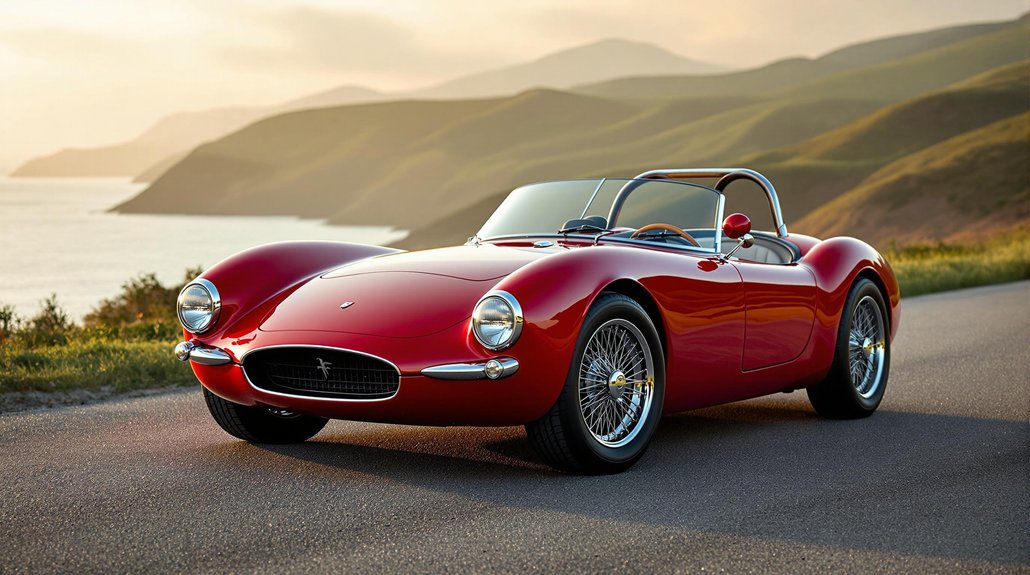
This Oxfordshire outfit has distinguished itself by tackling high-performance conversions of prestigious models like the Jaguar E-Type and Porsche 911, vehicles that purists once considered sacrosanct. Their approach combines Tesla-derived battery technology with proprietary inverter systems, yielding performance figures that frequently surpass the original specifications. I’ve observed their converted E-Types achieving la0-60 mph times nearly half those of their petrol-powered ancestors, while maintaining period-correct aesthetics.
The company’s waiting list stretches to 12 months, mirroring industry-wide demand that sees over 5,000 classics converted annually in the UK alone. Their conversions typically cost between £50,000-£80,000, positioning them in the premium segment of a rapidly expanding market. These converted classics require proper storage solutions to protect the significant investment and prevent damage to their electrical components. These prices, while substantial, deliver sophisticated 100-300 mile range capabilities through strategically positioned lithium-ion packs that preserve weight distribution and handling characteristics.
Unlike simpler bolt-in kit solutions, their bespoke approach addresses the structural modifications necessary for heavier luxury vehicles like the Rolls-Royce Silver Shadow. Each conversion undergoes rigorous battery management system calibration, ensuring both performance and safety meet modern standards. The company is world’s largest converter of classic cars to electric vehicles, transforming automotive history with modern technology. These conversions require significant suspension upgrades to accommodate the weight distribution changes of battery systems.
The environmental benefits are compelling. These electrified classics produce zero tailpipe emissions, contributing to urban air quality while preserving automotive heritage that might otherwise face extinction under increasingly stringent emissions regulations.
Their approach represents the ultimate recycling – retaining classic designs while updating powertrains for sustainability and longevity. This Oxfordshire innovator hasn’t just preserved classics; they’ve futureproofed them for generations to come.